Meet Our Pigs
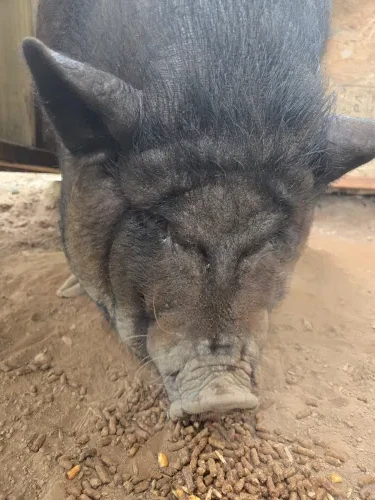
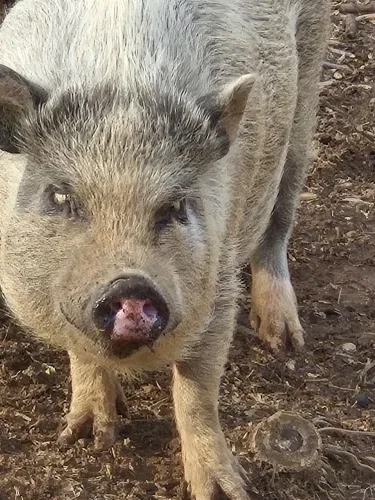
The Underrated Genius: A History of the Pig
Often misunderstood and frequently underestimated, the pig (Sus scrofa domesticus) is arguably one of the most intellectually gifted and historically significant animals to ever live alongside humans. From their wild roots in Eurasia to their status as a cornerstone of the modern farm, the history of the pig is a story of profound biological adaptability and a partnership that changed how we grow food.
The Neolithic Revolution and Beyond
Domestic pigs descend from the Eurasian wild boar. Unlike other livestock that were domesticated in a single geographic event, archaeological evidence suggests that pigs were domesticated independently in multiple locations—most notably in the Near East around 9000 BCE and China around 8000 BCE.
As humans transitioned from nomadic lifestyles to settled agriculture, the pig became the ultimate "recycler." Because they are omnivores, they could consume scraps, agricultural waste, and forage that humans could not digest, effectively turning refuse into high-quality protein.
The Architect of Survival
For thousands of years, the pig was the essential "mortgage lifter" for small-scale farmers across Europe, Asia, and eventually the Americas. Their history is tied to several key advantages:
- Unmatched Efficiency: Pigs convert feed into body mass more efficiently than almost any other land animal.
- Rapid Growth: A pig can reach market weight significantly faster than cattle or sheep, providing a quick source of food security.
- Fertility: With their ability to produce large litters, pigs allowed rural families to quickly recover from food shortages or environmental disasters.
The Cultural Complexity of the Pig
Because of their close proximity to human settlements, pigs have occupied a complicated space in human culture. In many societies, they were revered for their utility; in others, their biological nature led to dietary restrictions.
Throughout the Middle Ages in Europe, pigs were often allowed to roam freely in forests, feeding on acorns and beechnuts—a practice known as pannage. This historical relationship created a deep bond between rural populations and their swine, cementing the pig as the foundational animal of the medieval homestead.
Intelligent and Social Beings
Modern science has confirmed what many farmers have long known: pigs are incredibly intelligent. They are social creatures with complex communication, capable of learning tricks, solving problems, and forming deep bonds with their caregivers.
| Trait | Significance |
| Cognitive Ability | Pigs have shown the ability to learn to use mirrors and navigate mazes. |
| Social Structure | They maintain complex hierarchies and show empathy for other group members. |
| Memory | They possess excellent long-term memory, which helped their ancestors forage in the wild. |
The Modern Pig: Homesteading to Specialty Markets
In the 21st century, the role of the pig has branched into two distinct directions:
- Industrial Agriculture: Pigs have become the most consumed meat globally, with massive production systems focused on efficiency and scale.
- Heritage and Pasture-Raised: A growing movement of small-farm owners (like those in the artisanal pork movement) is reviving heritage breeds like Mangalitsa, Berkshire, and Tamworth. These farmers focus on flavor, animal welfare, and sustainable land management, treating pigs not just as commodities, but as active participants in the farm ecosystem.
Fun Fact: Pigs don't have sweat glands, which is why they love to wallow in mud. The mud acts as a natural sunscreen and an efficient cooling system, keeping them comfortable even on the hottest days.
- From their role in sustaining early agrarian civilizations to their status as intelligent partners in modern sustainable farming, pigs have proven themselves to be far more than just a source of food. They are curious, capable, and enduring animals that continue to play a vital role in our food systems and our daily lives on the farm.