Meet Our Turkeys
The Great American Icon: A History of the Turkey
The turkey (Meleagris gallopavo) holds a singular place in history. Unlike the donkey or the goat, which arrived in the Americas via human migration, the turkey is a true native of the New World. From the sacred traditions of Mesoamerican civilizations to the centerpiece of the modern homestead, the story of the turkey is one of deep-rooted cultural significance and remarkable biological success.
Ancient Roots: The Sacred Bird
The turkey was domesticated at least twice in human history: once in central Mexico and once in the American Southwest. For civilizations like the Maya and the Aztec, the turkey was far more than livestock. They were considered sacred, often appearing in religious iconography and playing a vital role in ritual life.
Archaeological evidence suggests these early domesticators valued the bird not just for meat, but for their feathers and bones, which were used to craft ceremonial items, tools, and jewelry. When Spanish explorers encountered these birds in the 16th century, they were struck by their size and distinct appearance, quickly shipping them back to Europe, where they became a luxury item for the aristocracy.
The Return to the North
While turkeys were transported to Europe and bred into various domestic strains, they eventually "returned" to North America with the settlers. By the time of the early colonies, the wild turkey was an abundant natural resource, providing essential protein for frontiersmen and settlers alike.
As agriculture expanded, the turkey shifted from a wild game animal to a managed farm bird. However, for centuries, the turkey remained a relatively rare and expensive treat, largely reserved for holidays and special occasions until the mid-20th century.
Biological Resilience
Turkeys are survivors. Their history of living in diverse environments—from the dense forests of the Appalachians to the arid shrublands of the Southwest—has left them with a set of unique traits:
- Foraging Instincts: They are excellent foragers, capable of finding a wide range of seeds, insects, and nuts, which makes them highly efficient at utilizing open pasture.
- Social Intelligence: Turkeys are highly social creatures that communicate through a complex vocabulary of gobbles, clucks, and purrs. They operate in tight-knit flocks with distinct social hierarchies.
- Adaptability: Whether it is a heritage breed like the Bourbon Red or the standard Broad Breasted Bronze, modern domestic turkeys retain the instincts that allowed their ancestors to thrive in the wild.
The Turkey on the Modern Homestead
Today, there is a major resurgence of interest in heritage breed turkeys. Small-farm owners are moving away from hyper-industrialized breeds in favor of birds that can breed naturally, live long, healthy lives on pasture, and offer superior flavor profiles.
| Breed Characteristic | Homestead Advantage |
| Natural Breeding | Eliminates the need for artificial intervention. |
| Pasture Hardiness | Reduced reliance on grain/bought feed. |
| Genetic Diversity | Essential for long-term farm sustainability and disease resistance. |
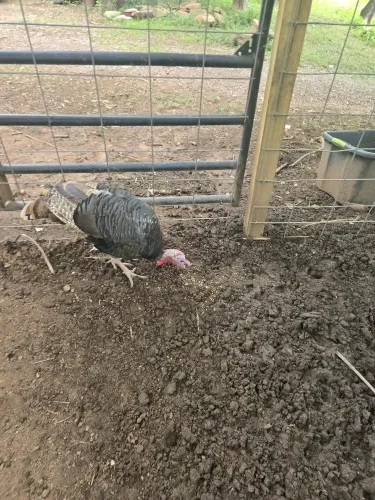
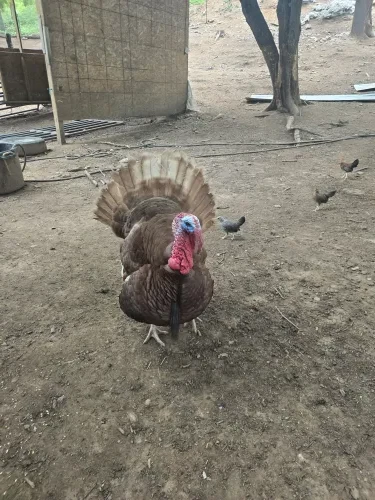
Fun Fact: The skin of a turkey's head and neck changes color based on their mood and excitement level. When a male (a "tom") is agitated or trying to impress a female, the blood rushes to their skin, causing it to flash bright shades of red, white, and blue!
From a revered symbol in ancient Mexico to the pride of the modern sustainable farm, the turkey has remained a resilient, fascinating, and vital part of the American landscape. They serve as a reminder of our continent's rich agricultural heritage and the importance of preserving the unique breeds that helped build it.