Meet Our Bantam Chickens
Pint-Sized Powerhouses: The History of Bantam Chickens
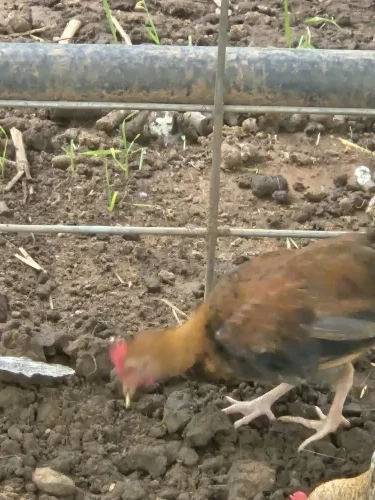
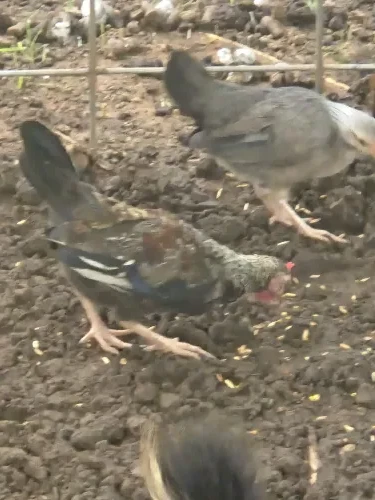
In the world of poultry, bigger isn't always better. The bantam chicken—a miniature version of its larger cousins—has long been a favorite of farmers, show enthusiasts, and backyard hobbyists. Though they may be small in stature, they are massive in character, history, and utility.
A Tale of Two Origins
The term "bantam" is believed to derive from the port city of Bantam in Java, Indonesia. Early European sailors visiting the region noticed the local, small-bodied chickens. Because these birds were small, they were perfect for keeping on ships, where they provided a steady supply of fresh eggs and meat in a compact, low-maintenance package.
Poultry historians generally categorize bantams into two distinct groups:
- True Bantams: These breeds have no large counterpart. They have been small since their inception. Many of these, such as the Sebright, were developed specifically for their ornamental beauty and unique traits.
- Miniaturized (or "Bantamized") Breeds: These are scaled-down versions of standard-sized chickens. Breeders essentially "shrunk" popular large breeds (like Orpingtons or Cochins) through selective breeding to retain the characteristics of the large bird in a miniature body.
The Rise of the "Fancy"
By the 19th century, keeping bantams moved from a practical necessity for sailors to a fashionable hobby for the elite. Poultry shows exploded in popularity during the Victorian era, and the bantam became the centerpiece of these competitions.
Because they required less space, they allowed people living in cities or on smaller plots of land to participate in the "fancy"—the art and science of breeding exhibition poultry. This democratization of the hobby helped preserve countless rare breeds that might have otherwise disappeared.
Why Bantams Rule the Backyard
While they lack the bulk of standard-sized birds, bantams offer unique advantages that make them a staple for modern homesteaders:
- Space-Efficient: You can keep significantly more bantams in the same footprint as a smaller number of standard birds, making them perfect for smaller farm setups.
- Reduced Feed Costs: Their small size translates directly to a smaller appetite, which can be a significant benefit in managing monthly farm overhead.
- The "Mothering" Instinct: Many bantam breeds are famous for their persistent "broodiness." They are often used by farmers to hatch the eggs of other, less-attentive birds, acting as highly effective, natural incubators.
- Manageable Size for Families: For families with children, their smaller stature makes them less intimidating and easier to handle, fostering a safe way to teach responsibility and animal care.
The Bantam in the 21st Century
Today, the bantam remains a staple of the "backyard revolution." Whether it is a feathered-foot Cochin or a sleek, active Japanese Bantam, these birds are prized for their hardiness and high energy. They bridge the gap between ornamental art and practical utility, proving that you don't need a large acreage to have a productive and engaging poultry flock.
Fun Fact: Don't let their size fool you—many bantam roosters are just as courageous (and vocal!) as their standard-sized counterparts. They are known for being surprisingly fierce protectors of their flock, often standing their ground against predators much larger than themselves.
Bantams are a perfect example of how small-scale livestock can have a big impact on the sustainability and joy of a farm. They turn every corner of the yard into a place for discovery, reminding us that every creature has its own unique place in the farm ecosystem.